
Patient Resource Hub
Practical, plain-language guides for living well with diabetes, high cholesterol or high cardiovascular risk — written for the people who come through the clinic in Christchurch, and useful for anyone.
Three habits that move the numbers
Medication matters, but three everyday levers — when you eat, how you move and how you sleep — shift insulin sensitivity, triglycerides, blood pressure and weight more than almost any single tablet.
 Nutrition
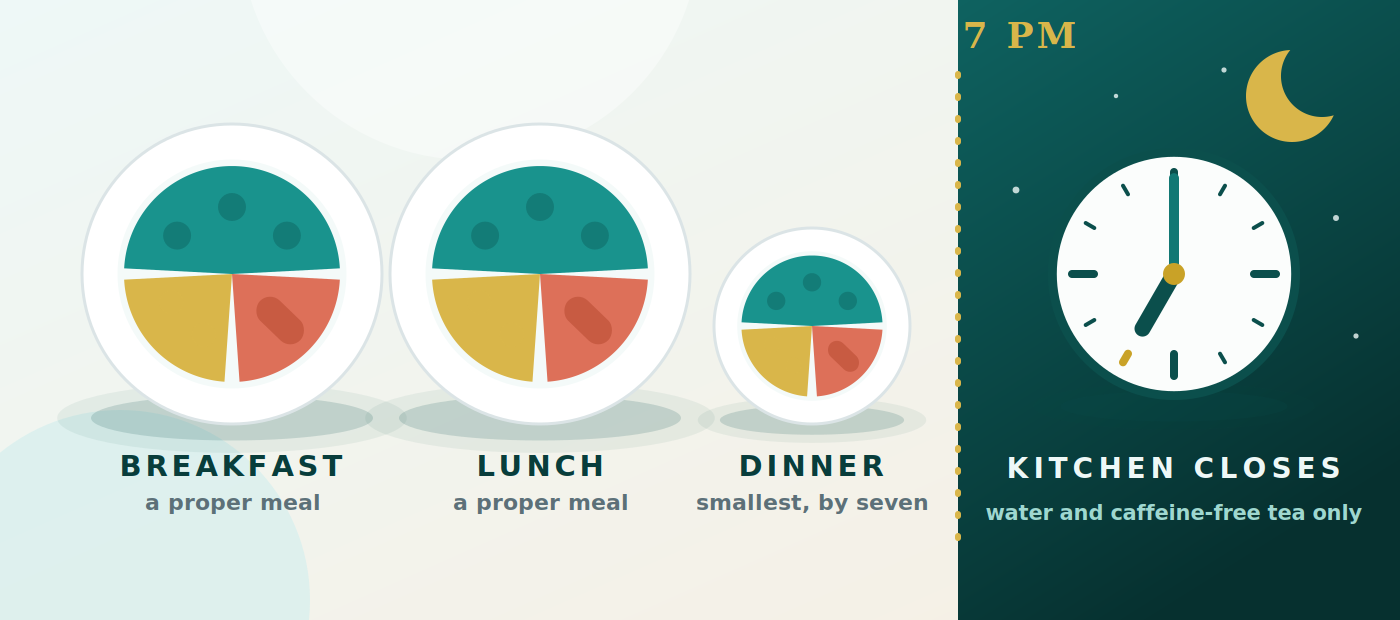
The 7pm Rule
Close the kitchen at 7pm, make dinner your smallest meal rather than your biggest, and take about 30g of protein at each meal. One simple boundary — and the two habits that make it easy to keep.
Read the guide → Movement
Exercise
Exercise is one of the most powerful medicines we have. It improves insulin sensitivity within a single session, and benefits cognition, mood and metabolic health for days afterwards.
Read the guide → Sleep
Sleep
Sleep: Seven Steps
Seven steps for improving sleep quality — and why short, broken sleep raises blood pressure, appetite and insulin resistance even when your diet and exercise are unchanged.
Read the guide →Share your glucose data with the clinic
If you wear a continuous glucose monitor, sharing it lets us review your traces before your appointment instead of relying on occasional finger-prick readings.
Organisations worth bookmarking
Health information online is noisy. These are the sources I point patients to, and the ones my own recommendations are anchored on.
In a hurry? Do this first
- Close the kitchen at 7pm, and make dinner your smallest meal, not your biggest.
- About 30g of protein at breakfast, lunch and dinner — protein first on the plate.
- Walk 10–15 minutes after your main meals, most days.
- Pick a fixed wake-up time and get outdoor light within an hour of it.
Three changes, started this week, tell us more about your metabolism than any single blood test — and they make every medicine work better.
Are you a clinician?
The quick-reference page with risk calculators, referral forms and clinic guides lives separately.
Need advice about your own results?
These pages are general information. For decisions about your diabetes or cholesterol treatment, talk to your doctor — or ask for referral to the clinic.